
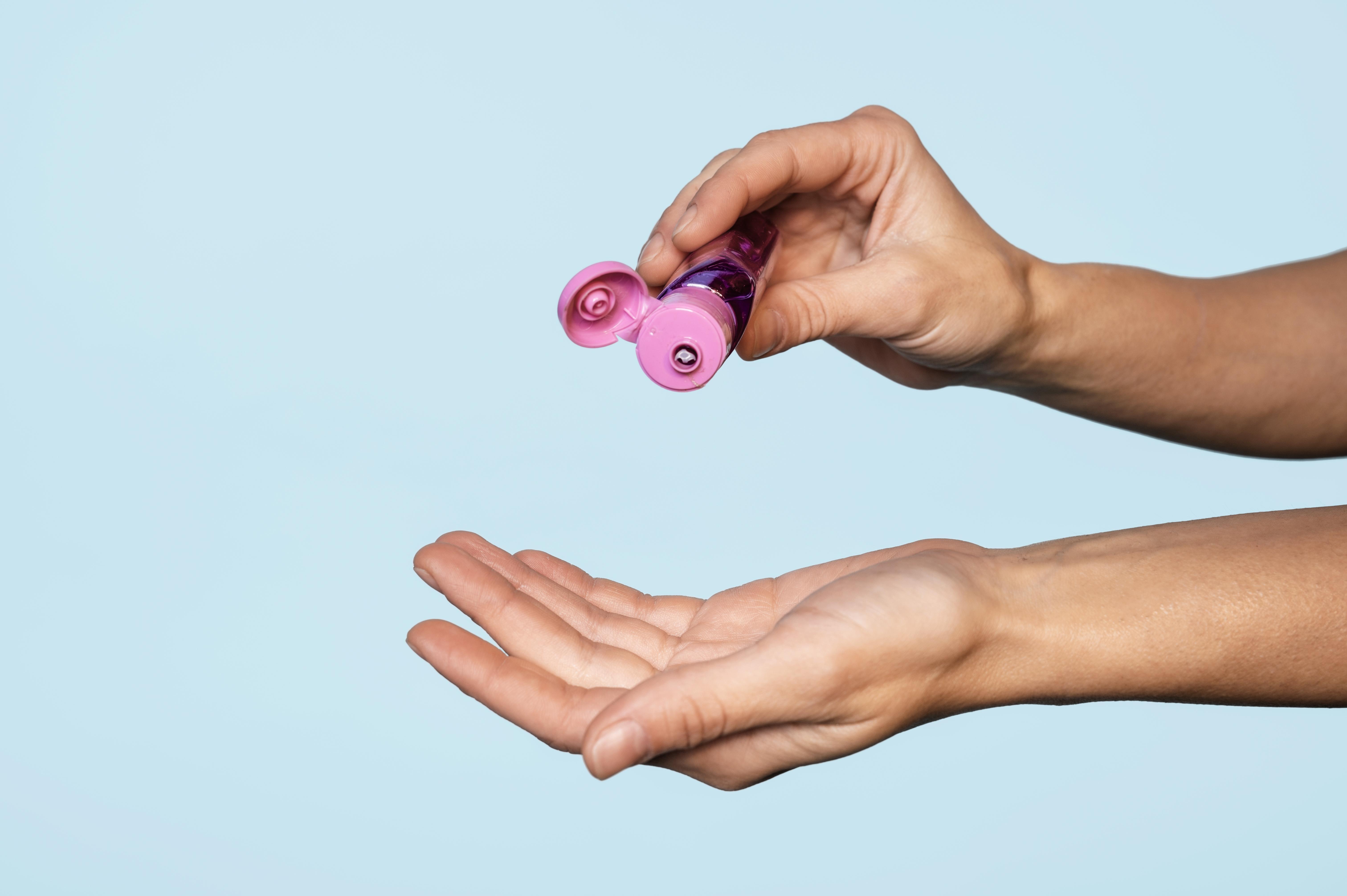
What is Lubricant Gel?
Lubricant gel is a liquid used to moisturize the vagina and reduce friction during sexual intercourse. Under normal conditions, vaginal secretions after sexual stimulation cause vaginal moisture and facilitate penetration, but with age and approaching menopause, the amount of vaginal secretions decreases and vaginal dryness may occur, causing pain and discomfort during sex. Lubricants are usually used as gels for vaginal dryness to reduce pain and discomfort during sexual intercourse by moisturizing the genital area. Lubricants make penetration easier by moisturizing the genital area and prevent discomfort.
Water-Based Lubricant (Poly Gel Lubricant)
Water-based or poly gel lubricant is one of the most popular and widely used types of lubricants. This type of lubricating gel is available in two types: with and without glycerin. The type that contains glycerin has a sweet taste and the type without glycerin is a suitable option for people who have allergies. Water-based lubricants are quickly absorbed into the skin and are easily washed, so using them is easy and quick. This type is very suitable for those who are looking for a comfortable and trouble-free experience in sexual intercourse.
Personal water-based lubricants are water-soluble and are the most widely used personal lubricants. The first water-based lubricants were cellulose ether or glycerin solutions. Today, available products may contain various materials to maintain moisture and resist contamination. The viscosity of these products can be changed by adjusting the amount of water and the concentration of cellulose or other hydrophilic gel-like particles. Since personal water-based lubricants are absorbed into the skin and evaporate, most water-based lubricants tend to dry out during use; but adding lubricant again is usually enough to reactivate them. When the lubricant eventually dries, it may leave a sediment from the formulation elements. For this reason, it may be necessary to wash with water to clean the remaining residue or to use the lubricant again to continue sexual intercourse. Scientists are trying to prevent the transmission of AIDS by using lubricants and anti-retroviral gels.
Regular water-based lubricants may be incompatible with sexual activities that occur in water (such as in a bathtub, pool, or hot tub) because they can dissolve and disperse in water.
General Applications
Lubricant Gel for Vaginal Dryness
Lubricant gel for vaginal dryness is one of the effective ways to solve this problem. Vaginal dryness can occur for various reasons such as hormonal changes during menopause, pregnancy, or the use of certain medications. Using lubricant gel helps keep the vagina moist, reduces friction, and makes penetration easier. Water-based lubricants are usually the best choice for this purpose because they are easily washed and are also safe for use with condoms.
Lubricant Gel for Sexual Intercourse
Lubricant gels make the movement of the penis easier by reducing friction and prevent pain or discomfort during intercourse. Using lubricant, especially when there is vaginal dryness, can lead to easier penetration and a pain-free experience. Water-based lubricants are usually preferred for use in sexual intercourse because they are easily washed and suitable for use with condoms. At the same time, silicone lubricants are more suitable for longer use or in moist environments such as under the shower.
Lubricant and Its Effect on Condom Effectiveness
When using lubricant, you should pay attention to the type of lubricant and your chosen method of contraception. If you use condoms, you should know that oily lubricants can reduce the effectiveness of condoms and even cause them to break. Simultaneous use of condoms and oily lubricants may cause problems such as unwanted pregnancy. For this reason, it is recommended to use water-based or silicone lubricants for use with latex condoms, as these types of lubricants have no effect on condom damage. Also, it is important to know that lubricant has no role in preventing pregnancy and is only designed to reduce friction and slipperiness during sexual intercourse. Therefore, using reliable birth control methods, such as condoms or birth control pills, is essential to prevent pregnancy.
Some types of lubricants can interfere with condom function.
Lubricant for Treating Some Sexual Problems
Lubricant is effective in treating some sexual problems such as pain during intercourse (dyspareunia). Using lubricant helps keep the vagina moist and reduce friction, thus eliminating or significantly improving dyspareunia caused by vaginal dryness. This product also acts as an essential item in anal sex, which lacks natural secretions, and prevents serious injuries and problems. For people who have little or no dyspareunia, lubricant can be effective in facilitating orgasm, but this product has no role in numbness, and lidocaine gel is used for numbness.
Use of Lubricant in Medical Tests
The use of lubricant in medical tests is done to facilitate some examinations and reduce patient discomfort. In many medical examinations such as vaginal ultrasounds or pelvic examinations, lubricant is used to reduce friction and provide more comfort for the patient. These gels help facilitate the movement of medical devices such as ultrasound probes and prevent pain or irritation in the vaginal or anal area. In addition, in some tests such as uterine and cervical tests, using lubricant can help facilitate the process and prevent injury or discomfort. This product is also important in medical tests to ensure high accuracy and patient comfort.
Effect of Lubricant on Menopause
During menopause or in the period before it, the hormone estrogen in a woman's body decreases. This causes a decrease in uterine secretions to the inside of the vagina and also thinning of the vaginal tissue. Both of these cause dyspareunia and thus reduce the quality of sexual life. Using lubricant can have a miraculous effect on improving this condition. If the problem is bigger than this, hormone therapy can be started.
Effect of Lubricant on Infection
Lubricant itself does not cause infection. The only case that may occur for the consumer due to lubricant is oily lubricants and poly gel with glycerin. If these lubricants are not washed well from the vagina, they can disrupt the natural flora of the body (the natural ratio of microbes in the vagina) and provide the ground for infection.
What are the Side Effects of Lubricant Gel?
Although lubricant gels are usually safe and help facilitate sexual intercourse, they may cause side effects in some cases. These side effects are usually rare, but some people may be allergic to the materials in lubricants or experience unwanted reactions. Also, choosing the wrong type of lubricant can cause problems such as skin irritation or damage and also reduce the effectiveness of other birth control products such as condoms. Below we mention some of the possible side effects of lubricant gels:
- Allergy or Sensitivity: In some people, allergic reactions such as itching, burning, or redness may occur in the area where the gel is used.
- Skin Irritation: Chemicals in some lubricants such as glycerin, parabens, or artificial fragrances can cause skin irritation or inflammation.
- Interference with Latex Condom Function: Using oily lubricants may reduce the effectiveness of latex condoms and increase the risk of breakage.
- Digestive Problems (if used orally): Oral lubricants can cause digestive problems or stomach discomfort in some people.
- Dryness or More Irritation with Frequent Use: Some people may feel more dryness or irritation after long-term use of lubricant.
- Interference with Medical Tests: In some cases, using lubricant in medical tests such as ultrasound may temporarily cause changes in test results.
Reader Comments
Share your thoughts on this article and read what others think.
What readers are saying
Loading comments...